
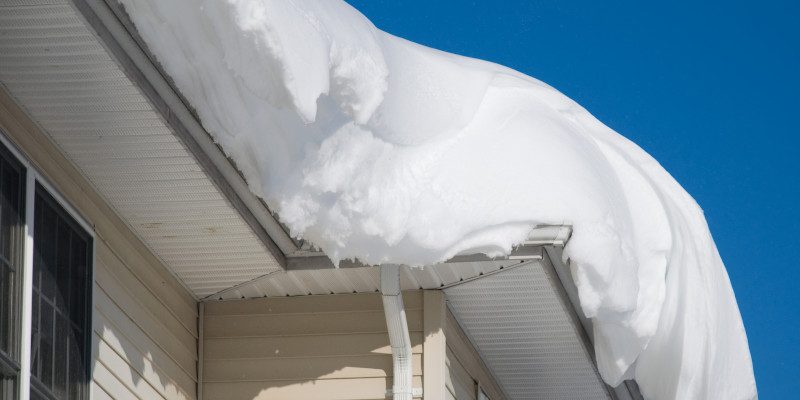
For homeowners across Barrie, Ontario and the surrounding area, the past two winters have brought more than just picturesque snowfall—they’ve brought real concern. Heavy accumulation on rooftops has many asking the same questions: How much snow is too much? Is my roof being damaged without me knowing? And what if this becomes the new normal?
As we move into spring, now is the ideal time to assess what your home has been through and take proactive steps to prepare for future winters. With guidance from an experienced roofing contractor, you can protect your home, your investment, and your peace of mind.
How Much Snow Is Too Much?
Not all snow is created equal. Light, fluffy snow may only weigh a few pounds per cubic foot, while wet, dense snow can weigh significantly more—sometimes over 20 pounds per cubic foot. When that weight accumulates over time, especially during repeated storms, it can place serious stress on your roof.
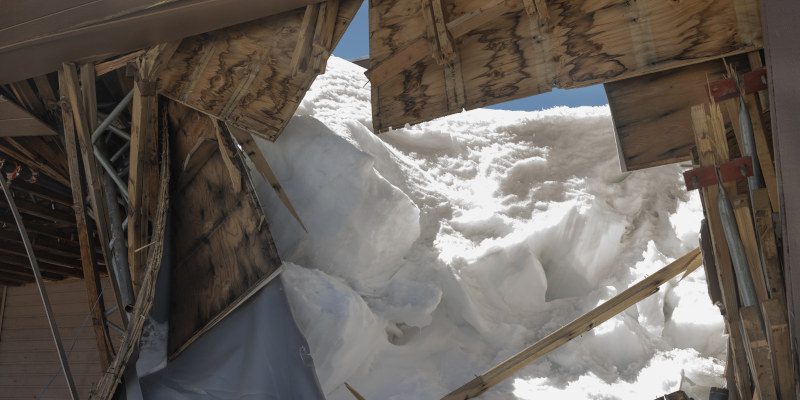
Most residential roofs are built to handle a certain load, but back-to-back heavy winters can push those limits. Warning signs that snow load may be becoming a problem include:
- Sagging rooflines
- Creaking or cracking sounds
- Doors or windows that suddenly stick
- Visible dips or uneven areas on the roof
Even if you’re not seeing these signs, that doesn’t necessarily mean everything is fine. A qualified roofing contractor can help evaluate whether your roof has experienced more strain than it was designed to handle.
The Hidden Damage You Might Not See
One of the biggest concerns after a heavy winter is the damage that isn’t immediately visible. Snow and ice can impact your roof in subtle ways that only become apparent over time.
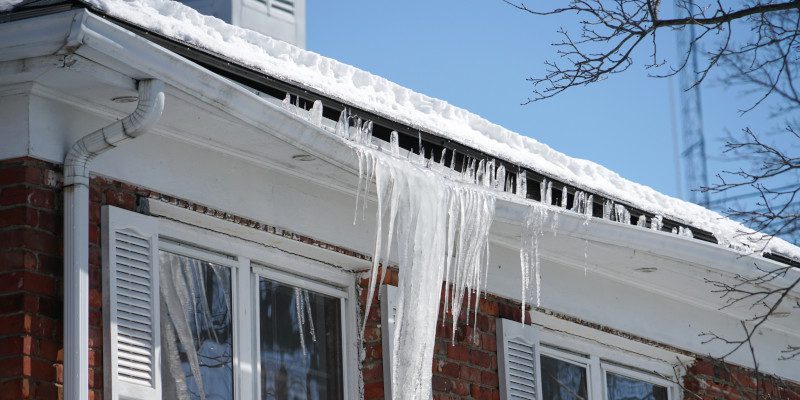
Ice dams are a major culprit. These form when heat escapes from your attic, melting the snow on your roof. The water runs down and refreezes at the edges, creating a barrier that prevents proper drainage. Over time, this trapped water can seep under shingles and into your home, leading to:
- Water stains on ceilings and walls
- Mold and mildew growth
- Insulation damage
- Structural wood rot
Additionally, the freeze-thaw cycles common in late winter can cause shingles to expand and contract, weakening their integrity. Flashing around chimneys, vents, and skylights may also loosen, creating entry points for moisture—all issues that a skilled roofing contractor knows exactly how to identify.
What If This Becomes the New Normal?
With two consecutive winters bringing heavy snowfall, many homeowners are wondering whether this is a trend rather than a fluke. If harsher winters continue, your roof may face repeated stress year after year.
That makes preparation and prevention more important than ever. Instead of reacting to problems as they arise, homeowners should start thinking in terms of long-term resilience:
- Is your roof designed to handle heavier snow loads?
- Is your attic properly insulated and ventilated?
- Are your roofing materials still in good condition?
These are the kinds of questions a trusted roofing contractor can help you answer with confidence.
Why Spring Is the Best Time to Act
After a long winter, spring offers a crucial window of opportunity. Snow has melted, temperatures are moderate, and roofing professionals can safely assess your home without the challenges of ice and freezing conditions.
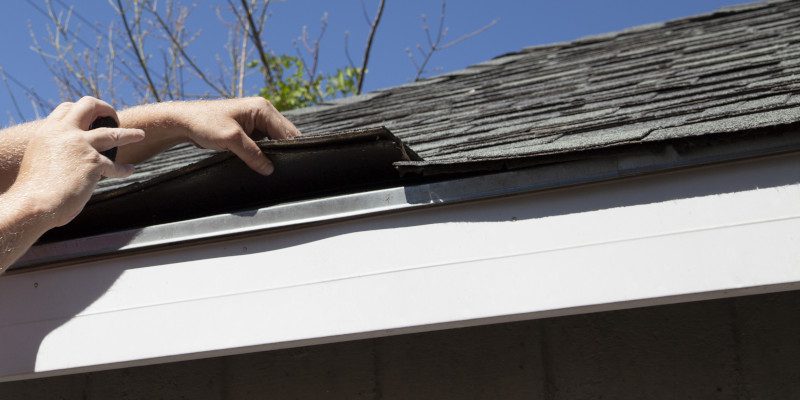
A post-winter inspection performed by a roofing contractor can reveal:
- Shingle damage or loss
- Soft spots or weakened decking
- Signs of water infiltration
- Gutter and drainage issues
- Flashing failures
Catching these issues early can prevent small problems from turning into costly repairs later in the year.
How a Roofing Contractor Helps You Prepare for Future Winters
A professional roofing contractor does more than just repair damage—they help you build a stronger, more resilient roofing system. Here’s how they can make a difference:
- Comprehensive Roof Inspections: A thorough inspection goes beyond surface-level issues. A roofing contractor evaluates the structural integrity of your roof, identifies vulnerabilities, and provides a clear picture of its overall condition.
- Preventative Repairs: Addressing minor issues now—like replacing damaged shingles or sealing flashing—can prevent major problems when next winter arrives.
- Improved Ventilation and Insulation: Many winter roofing problems stem from poor attic conditions. Proper ventilation and insulation help regulate temperature, reducing the risk of ice dams and uneven snow melt
- Gutter and Drainage Solutions: Ensuring your gutters are clear, properly pitched, and securely attached allows melting snow to drain efficiently, minimizing water buildup.
- Snow Retention and Removal Strategies: In areas prone to heavy snowfall, a roofing contractor may recommend snow guards or provide guidance on safe snow removal techniques to reduce stress on your roof.
Safety First: Avoid DIY Risks
It can be tempting to handle snow removal or roof checks yourself, but climbing onto a roof—especially after winter—can be dangerous. Slippery surfaces, hidden ice patches, and structural weaknesses all pose serious risks.
Instead, rely on a professional roofing contractor who has the proper equipment and experience to work safely. This not only protects you but also ensures the job is done correctly.
Planning Ahead for Peace of Mind
If the past two winters are any indication, homeowners in Barrie may need to adapt to heavier, more consistent snowfall. The good news is that with the right preparation, your home can handle it.
Consider taking these steps this spring:
- Schedule a professional roof inspection
- Address any repairs promptly
- Evaluate your attic’s insulation and ventilation
- Clean and maintain gutters and downspouts
- Discuss long-term upgrades with a roofing contractor
Final Thoughts
Heavy snowfall doesn’t have to mean constant worry. While the past two years may have caused “roof panic” for many homeowners, they’ve also highlighted the importance of being proactive.
Spring is your chance to reset, repair, and reinforce. By partnering with a reliable roofing contractor, you can ensure your home is ready—not just for next winter, but for whatever the future brings.
If harsher winters are here to stay, preparation today is the best way to protect your home tomorrow.